

Burnout therapy in Toronto is structured psychotherapy for professionals whose emotional, mental, and physical resources are depleted in a way that rest does not fix. It addresses the patterns that sustain burnout: chronic overwork, perfectionism, eroded boundaries, and the loss of meaning in work that used to matter. At Inner Room, registered MSW RSW therapists deliver burnout therapy virtually across Ontario. No waitlist. Sessions are covered by most extended health benefit plans.
You're not lazy. You're not failing. You're likely burned out.
Maybe you've tried sleep, taking a vacation, a new routine — yet you still feel flat; numb. It's like you're going through the motions at work, at home, in life — but the things that used to matter don't anymore. You're cynical about the future. Your body is exhausted but your mind won't settle. This is burnout. Therapy can help with this.
At Inner Room, we offer the burnout therapy Toronto professionals trust to recover from exhaustion. You've been doing everything right but it feels like nothing is working. First, this is not a personal failure (read that again). It's a sign you need a different kind of support.
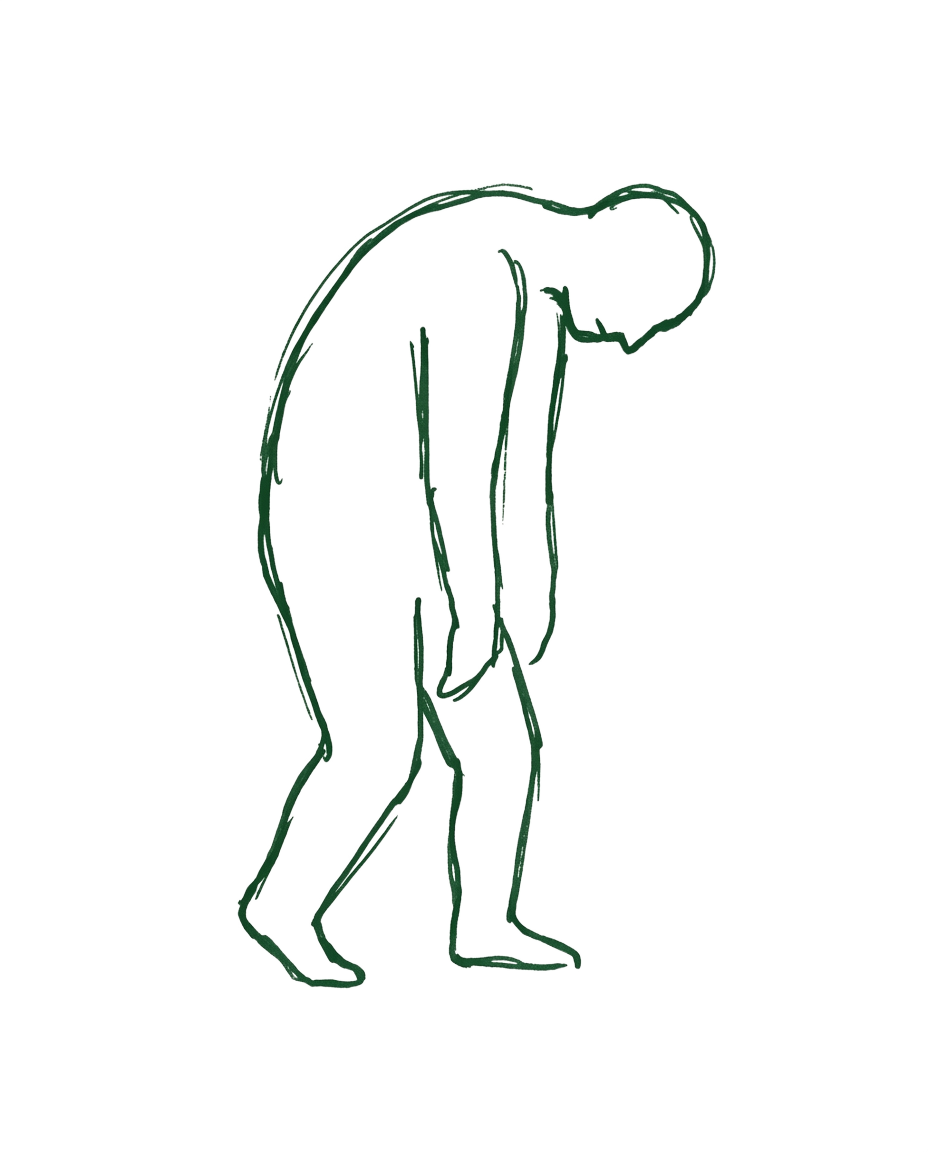
Your body feels heavy, and sleep no longer restores you. You're running on empty while still trying to show up and produce from the outside.

You've stopped believing your work matters. The projects and responsibilities that used to energize you now feel empty and draining.
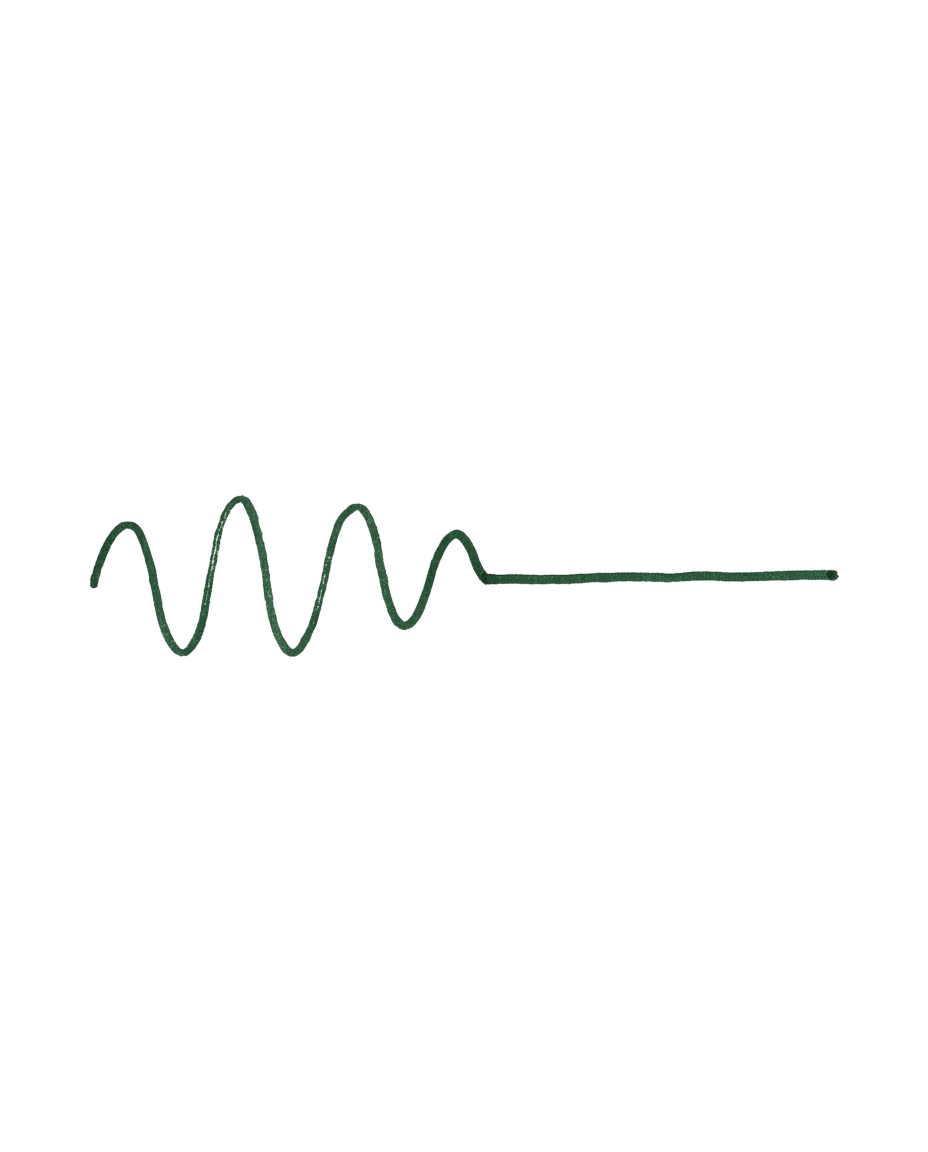
There’s a persistent flatness to everything. Good news doesn't lift you, bad news doesn't shake you, and you feel invisible on the inside.
Burnout isn't just stress you can shake off on the weekend. It's a state of profound, invisible depletion.
That is often the hardest part: the invisibility. From the outside, you look fine. You're still showing up, still producing, and still holding it together for everyone else. But inside, you know you can't keep running on empty like this—and you just aren't sure how to stop it.
The World Health Organization classifies burnout in the ICD-11 as a syndrome measured by 3 dimensions: exhaustion, increased mental distance from your work, and reduced professional effectiveness. That last part is what most people picture: someone who is not performing in their job.
High-functioning burnout doesn't look like that.
When you're high-functioning, you start to notice the constant exhaustion, cynicism or negativity, and a hollow feeling towards work that used to matter to you. On the surface you're still producing, still delivering, and still showing up in ways that look, from the outside, completely fine.
This is why it goes unrecognized for so long. There's no visible signs of failure. No crisis. Just a slow internal wearing down that you try to mask with "productive output".
Most people who come to us for burnout therapy in Ontario describe the same thing: nothing is actually falling apart, but something feels wrong.
You're still performing well at work:
The performance remains the same. The internal experience doesn't.
Burnout shares some overlap with depression, anxiety, and grief. The difference matters — not for a label, but so you get the right help.
Burnout is about depletion from work or responsibility. Depression often involves hopelessness about everything, a withdrawal from life itself. Anxiety tends to be about future-focused worry. Grief is a response to loss.
These often exist together. Someone can be burned out and struggling with depression. Anxiety and burnout can feed each other. What matters is that a therapist helps you untangle what's happening so you can address it directly.
Therapy for burnout isn't about working harder or finding a better productivity system. It's about rebuilding your relationship with yourself and your life. See how we work
In our work together, you'll build awareness of how burnout took hold. We look at the patterns — the ones that started early, the ones that got worse at work, the ones that show up in how you rest, or don't. We don't shame you for overgiving. We make sense of it.
Then we do the harder work: learning what rest actually means for you. Not stopping the work, but true restoration. Building boundaries. Finding work that fits, not just any work. Reconnecting with what matters underneath the exhaustion. Sometimes that means staying in your field — sometimes it means something changes. We'll work through it with you.
Ready to talk to someone who gets it?
Take the first step toward feeling like yourself again.
Ontario professionals are carrying a particular kind of weight right now. The cost of living has climbed, the pressure to perform hasn't let up, and for many, true rest has quietly disappeared.
What we are seeing across the province:
Running on adrenaline cycles that have lasted for years.
Managing teams through constant change while holding their own anxiety privately.
Giving everything to patient care while navigating systemic pressure with zero time to recover.
Living with blurred boundaries where the workday never truly ends.
Most people we work with didn't see their burnout coming because they never stopped functioning. It isn't a sudden breakdown. It’s a slow dimming of the lights. You are still showing up every day, but the drive and joy that used to fuel you have completely gone quiet.
We're a boutique virtual therapy practice. No waitlist. We serve clients residing in Ontario — wherever you are.
Our therapists are Vivian Zhang (MSW RSW), Mohammad Alharoun (MSW RSW), Shawna Martin (MSW RSW), and Christina Myshkevich (MSW RSW). They have real experience in burnout, anxiety, depression, ADHD, couples work, and living a complex life.
Individual sessions are $170 ($130 for students). Couples sessions start at $220. You start with a consultation — a real conversation to see if we're the right fit. See our full therapy services or read through common questions on our FAQ page.

Best for: Adults dealing with anxiety, ADHD, or identity questions. Especially students, neurodivergent folks, and anyone whose life doesn't fit the standard template. Speaks Arabic. Former lawyer (and knows that background matters).
Meet Mo
Best for: High-functioning people who look fine on the outside but are quietly exhausted. Good fit if you're burned out, highly-sensitive, or neurodivergent and tired of holding everything together by masking.
Meet Christina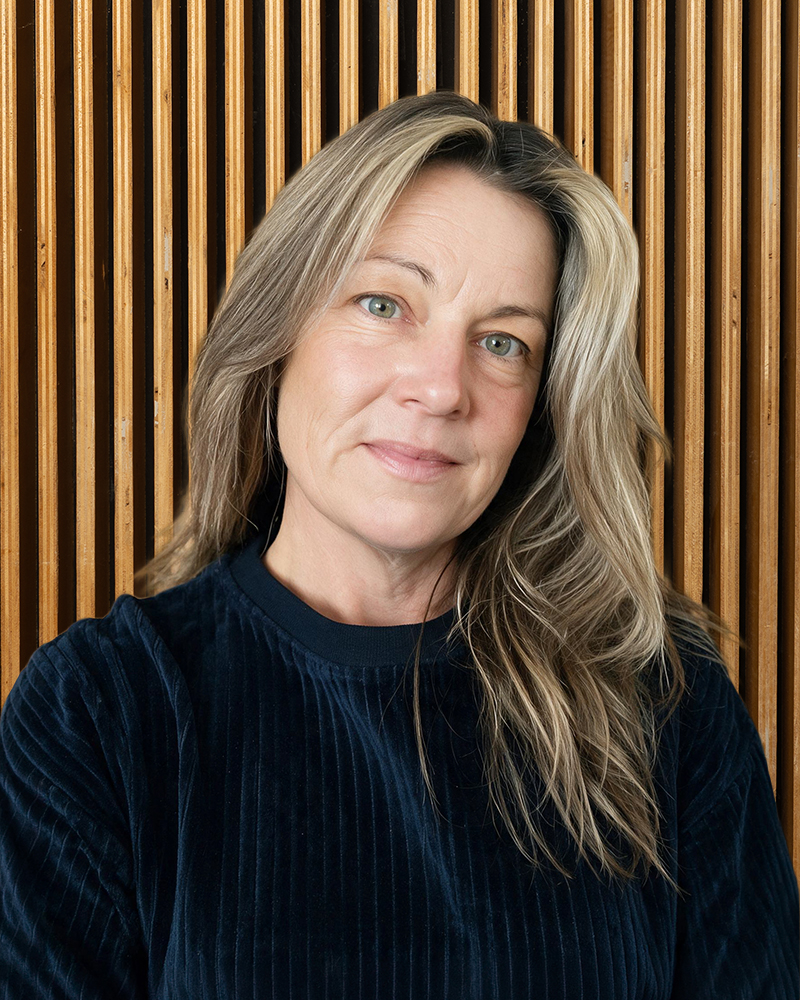
Best for: Trauma, grief, and women's health (perinatal, postpartum, and peri-/menopause included). Brings 30 years of clinical experience and a body-informed approach when talk therapy alone hasn't been enough.
Meet Shawna
Best for: Perfectionism, performance anxiety, relationship patterns, and the kind of stress that's hard to name. Works in English, Mandarin, and Shanghai dialect. Takes on couples, individuals, and interracial or multicultural situations.
Meet VivianYou don't have to keep running on empty.
If you recognize yourself in this, let's talk. Just a conversation about what's been happening and whether therapy might help.

Inner Room is a virtual psychotherapy practice serving Ontario. All therapists are registered with the Ontario College of Social Workers and Social Service Workers. No waitlist. Book your 15-minute complimentary consultation.

Quick Links
Our Team
Areas We Serve
We provide secure virtual therapy across all of Ontario, frequently supporting clients in: